Spinal stenosis occurs when the spaces within the spine narrow, putting pressure on the spinal cord or spinal nerves. The narrowing can occur in the central spinal canal or in the openings where nerves exit the spine (foramina).
This pressure on the nerves can lead to pain, numbness, or weakness. Spinal stenosis most commonly affects the lower back (lumbar spine) but can also occur in the neck.
The condition often develops gradually and may worsen over time.
Symptoms
Symptoms depend on which nerves are affected but may include:
Lower back or neck pain
Numbness or tingling in the arms, legs, or buttocks
Weakness in the arms or legs
Pain or cramping in the legs when standing or walking
Balance problems or difficulty walking
Symptoms often improve when sitting, bending forward, or resting.
Spinal stenosis is usually caused by age-related changes in the spine.
Common causes include:
Degenerative spine changes associated with aging
Herniated discs
Osteoarthritis or rheumatoid arthritis
Thickened ligaments within the spine
Bone spurs that narrow the spinal canal
Spinal injuries
Tumors affecting the spine
Less common causes include congenital spine abnormalities, scoliosis, Paget’s disease, and achondroplasia.
Diagnosis
Diagnosis begins with a medical history and physical examination. A doctor will evaluate symptoms, spinal movement, reflexes, strength, and balance.
Imaging and diagnostic tests may include:
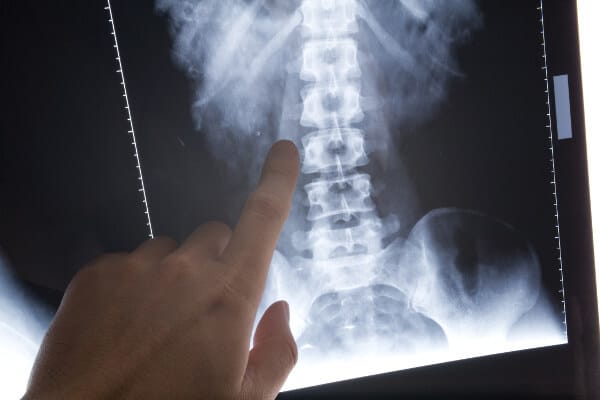
X-rays to evaluate spinal alignment, arthritis, and bone spurs
MRI scans to detect nerve compression and soft tissue changes
CT scans to provide detailed images of the spine
Electromyography (EMG) and nerve conduction studies to evaluate nerve function
Myelograms to identify pressure on the spinal cord or nerve roots
These tests help determine the location and severity of spinal narrowing.
Treatment Options
Treatment usually begins with non-surgical care.
Common treatment options include:
Pain medications or anti-inflammatory drugs
Physical therapy to improve mobility and strengthen supporting muscles
Activity modification
Surgical Treatment
If symptoms continue, steroid injections may be used to reduce inflammation around compressed nerves.
Surgery may be recommended when symptoms are severe, progressive, or when nerve compression leads to significant weakness, loss of bowel or bladder control, or other serious complications.
When to Seek Evaluation
Persistent lower back pain, neck pain, or radiating nerve pain should not be ignored. Early evaluation allows for proper diagnosis and targeted treatment, helping prevent progression and long-term complications.