Osteoarthritis

Overview

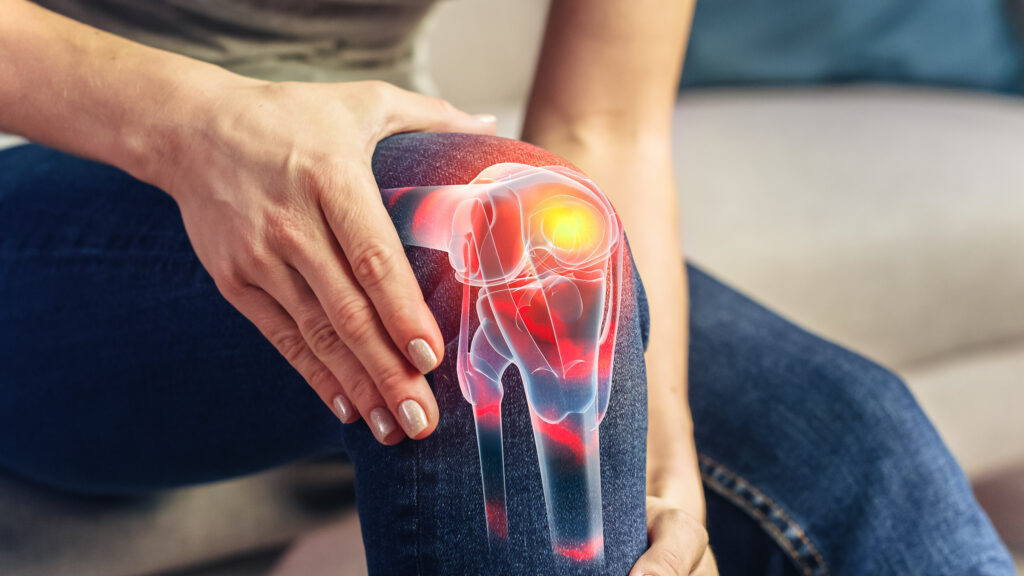
Osteoarthritis is a condition that occurs when the cartilage in joints breaks down over time. Cartilage normally cushions the ends of bones and allows smooth movement.

As the cartilage wears away, the bones begin to rub against each other. This can lead to pain, stiffness, swelling, and reduced movement. Osteoarthritis commonly affects the knees, hips, lower back, and hands.

The condition develops gradually and can worsen over time.

Urban Spine and Joint

Symptoms

Osteoarthritis symptoms often develop slowly and may include:

  1. Joint pain that worsens with activity
  2. Stiffness, especially after rest or in the morning
  3. Swelling around the joint
  4. Reduced range of motion
  5. Joint stiffness after inactivity
  6. Grinding, clicking, or crackling sounds with movement
  7. Bone spurs that may cause visible joint changes

Pain often improves with rest and worsens throughout the day.

Causes

Osteoarthritis is most often caused by age-related wear and tear, but other factors can contribute.

Common causes and risk factors include:

  1. Aging and joint degeneration
  2. Previous joint injuries or repetitive stress
  3. Obesity, which increases pressure on joints
  4. Genetic factors or family history
  5. Metabolic conditions such as diabetes or high cholesterol
  6. Inflammation within the joint

These factors can lead to cartilage breakdown and joint damage.

Diagnosis

Diagnosis begins with a medical history and physical examination. A doctor will evaluate joint pain, swelling, movement, and function.

Tests may include:

  1. X-rays to detect cartilage loss and bone spurs
  2. MRI scans to assess cartilage and soft tissues
  3. Joint fluid analysis to rule out other conditions

Imaging findings may not always match the level of symptoms.

Treatment Options

Treatment focuses on reducing pain and improving joint function.

Common treatment options include:

  1. Pain medications such as acetaminophen or NSAIDs
  2. Physical therapy to improve strength and mobility
  3. Heat and cold therapy
  4. Weight management to reduce joint stress
  5. Assistive devices such as braces, canes, or walkers

Additional treatments may include:

  1. Topical medications
  2. Steroid injections
  3. Hyaluronic acid injections for certain joints

Surgery may be considered in advanced cases when other treatments no longer provide relief.