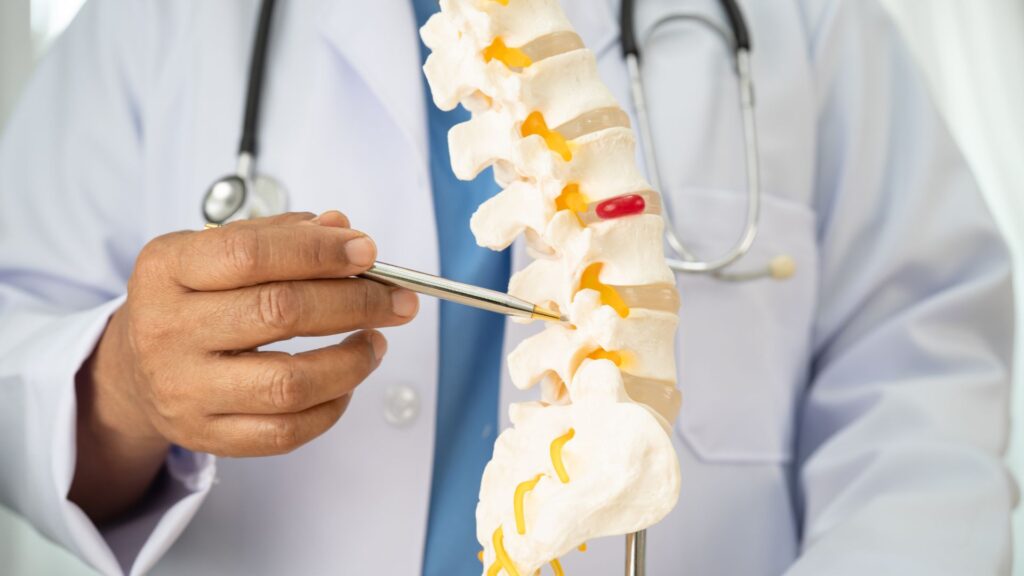
Cervical facet syndrome is a condition that affects the facet joints in the neck (cervical spine). These small joints connect the vertebrae and help the neck move and stay stable.
Over time, the cartilage within these joints can wear down. This causes the bones to rub against each other, leading to pain, stiffness, and inflammation. The condition can also develop after injury.
Symptoms
Common symptoms of cervical facet syndrome include:
Neck pain
Pain that worsens with bending or twisting the neck
Neck stiffness
Muscle tightness or spasms
Symptoms can overlap with other neck conditions, such as muscle strain or disc problems.
Cervical facet syndrome is usually caused by joint degeneration or injury.
Common causes include:
Age-related wear and tear of the facet joints
Osteoarthritis of the spine
Trauma from car accidents or sports injuries
Repetitive strain on the neck
These factors can lead to cartilage breakdown and joint irritation.
Diagnosis
Diagnosis begins with a medical history and physical examination. A doctor will assess neck movement, pain patterns, and any signs of nerve involvement.
Imaging tests may include:
X-rays to evaluate joint changes
MRI scans to assess soft tissue and surrounding structures
CT scans for detailed images of the joints
In some cases, a facet joint injection (block) may be used to confirm that the facet joint is the source of pain.
Treatment Options
Treatment typically starts with conservative care.
Common treatment options include:
Over-the-counter pain medications
Physical therapy to improve strength and mobility
Stretching and exercise programs
Muscle relaxants when needed
If symptoms persist, facet joint injections may be used to reduce inflammation and confirm the diagnosis.
For longer-lasting relief, radiofrequency ablation (neurotomy) may be performed to block pain signals from the affected nerves.