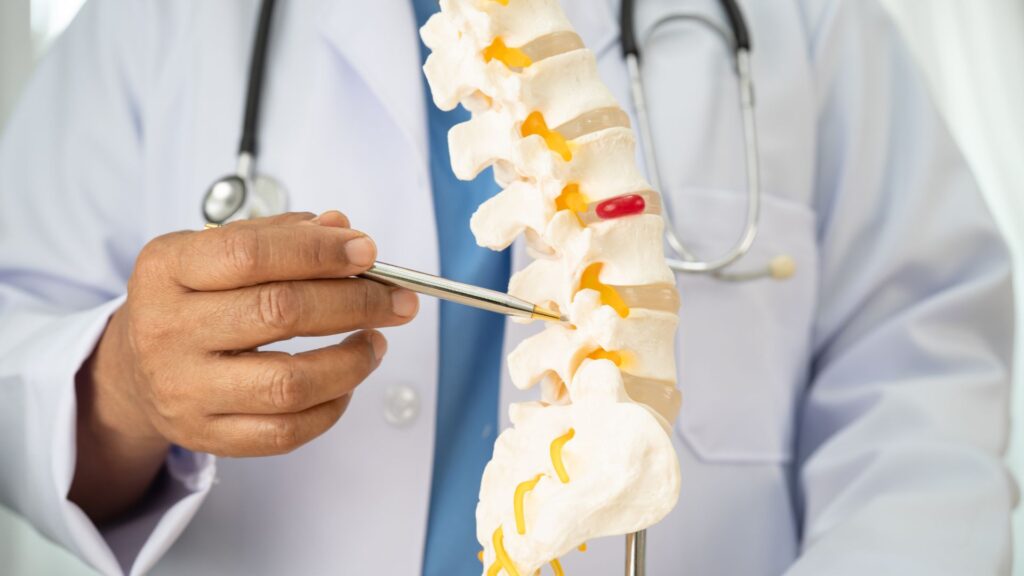
Failed back surgery syndrome (FBSS) refers to persistent or recurring back pain after spine surgery. The pain may remain the same as before surgery or become worse.
Back surgery is often performed to treat conditions such as herniated discs, spinal stenosis, or nerve compression. However, some patients continue to experience pain even after the procedure. Failed back surgery syndrome can involve ongoing nerve irritation, structural problems in the spine, or complications from the surgery itself.
Symptoms
Symptoms vary depending on the underlying cause but often include:
Persistent lower back pain after surgery
Pain that radiates into the legs
Numbness or tingling in the legs or feet
Muscle weakness in the lower extremities
Difficulty performing daily activities
Pain that worsens with standing or walking
Some patients may also experience limited mobility or ongoing nerve-related symptoms.
Several factors can lead to failed back surgery syndrome.
Common causes include:
Scar tissue forming around spinal nerves after surgery
Spinal instability following the procedure
Failed spinal fusion (pseudoarthrosis)
Nerve damage during surgery
Arachnoiditis, an inflammation of the membranes surrounding spinal nerves
Degeneration of discs near the surgical area
Persistent nerve compression from spinal stenosis
In some cases, the original cause of back pain may not have been fully resolved.
Diagnosis
Diagnosis begins with a medical history and physical examination. The doctor will review prior surgical records and evaluate symptoms such as pain, weakness, numbness, or limited movement.
Diagnostic testing may include:
X-rays to evaluate spinal alignment and stability
EOS imaging, a three-dimensional X-ray used to assess spinal alignment
MRI scans to detect disc problems, scar tissue, or nerve compression
Bone scans to identify fractures or bone abnormalities
These tests help determine the cause of persistent pain after surgery.
Treatment Options
Conservative (Non-Surgical) Treatment
Treatment often begins with non-surgical care.
Common treatment options include:
Physical therapy to improve mobility and strength
Pain medications to manage symptoms
Counseling or pain management support
Surgical Treatment
If pain persists, interventional pain management procedures may be recommended, including:
Steroid injections to reduce inflammation around spinal nerves
Spinal cord stimulation to interrupt pain signals
Intrathecal pain pumps that deliver medication directly to the spinal cord
Additional surgery is usually considered only when other treatments fail and a correctable spinal problem is identified.
It’s persistent or recurring back pain after spine surgery — the pain may stay the same as before the operation or get worse, even though the surgery was meant to resolve it.
Common causes include scar tissue forming around spinal nerves, spinal instability, a failed spinal fusion, nerve damage during surgery, arachnoiditis, or the original problem not being fully resolved by the procedure.
Persistent lower back pain, pain radiating into the legs, numbness or tingling, muscle weakness, and pain that worsens with standing or walking are common signs.
Diagnosis starts with a review of prior surgical records and a physical exam, often followed by imaging such as X-rays, MRI, EOS imaging, or bone scans to pinpoint the cause of ongoing pain.
In many cases, yes — treatment often starts with conservative options like physical therapy, medication, and injections before another surgical procedure is considered.