
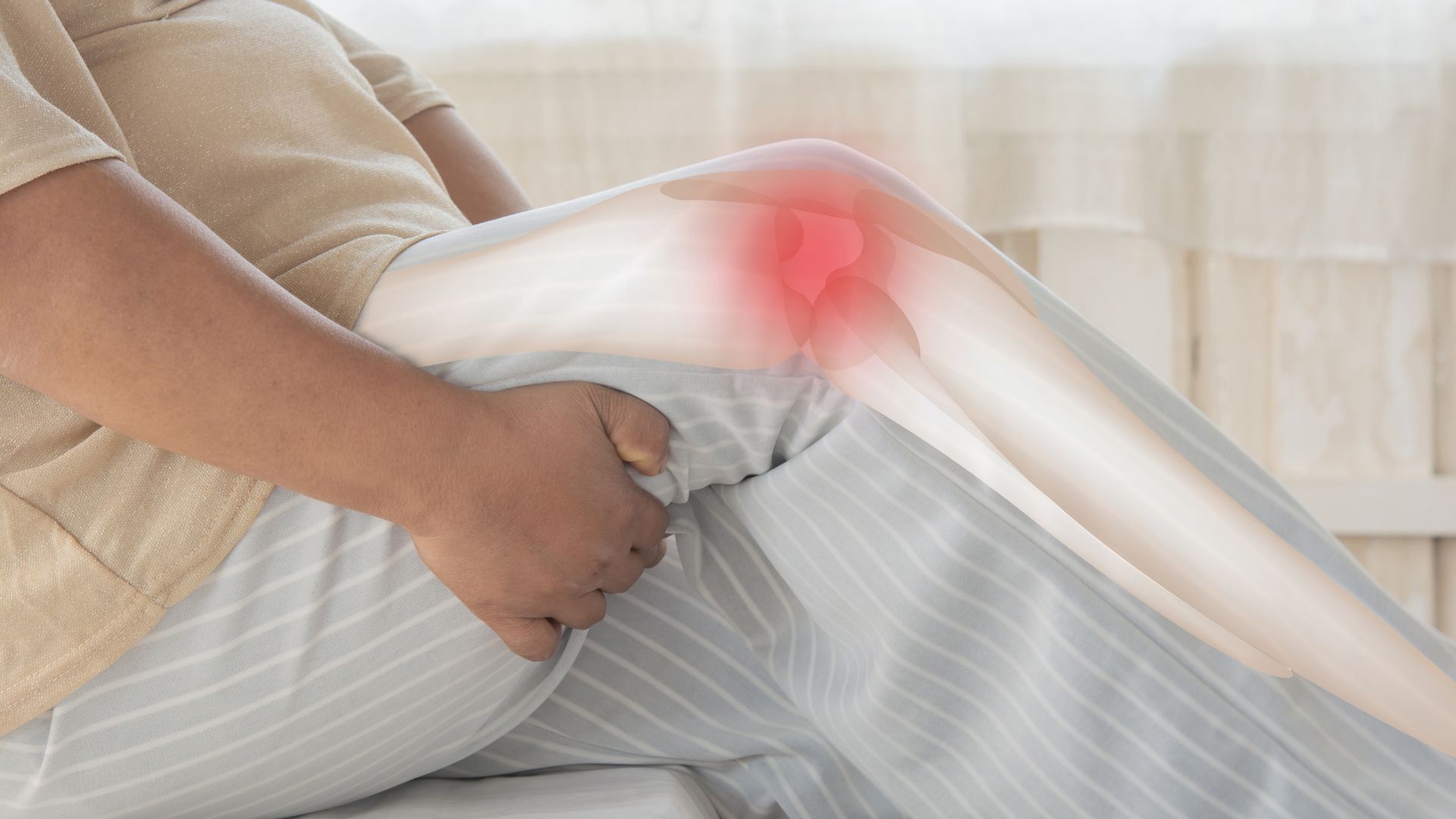
Neuropathic Pain

Neuropathic pain is caused by damage or dysfunction of the nerves.

Overview

Neuropathic pain is caused by damage or dysfunction of the nerves. It affects the somatosensory system, which is responsible for sensing touch, temperature, pressure, and pain.

Unlike typical pain from injury or inflammation, neuropathic pain comes from abnormal nerve signals. It can be chronic and may occur without an obvious trigger.

Symptoms

Symptoms vary depending on the type of nerve involved but may include:

  1. Burning, shooting, or stabbing pain
  2. Tingling or “pins and needles” sensation
  3. Numbness or reduced sensation
  4. Pain from light touch (such as clothing or bedsheets)
  5. Muscle weakness or cramps
  6. Loss of coordination or balance
  7. Pain that worsens at night

In some cases, patients may also experience changes in sweating, temperature sensitivity, or digestion.

Watch

Neuropathic Pain

Causes

Neuropathic pain can develop for many reasons, and more than one factor is often involved.

Possible contributing factors include:

  1. Diabetes (diabetic neuropathy)
  2. Nerve compression or injury, such as a herniated disc, sciatica, or carpal tunnel syndrome
  3. Infections, including shingles (postherpetic neuralgia)
  4. Chemotherapy or certain other medications
  5. Autoimmune conditions, such as multiple sclerosis
  6. Vitamin deficiencies, particularly B12
  7. Stroke or spinal cord injury

In some cases, no clear underlying cause is identified.

Diagnosis

Diagnosis is based on a medical history and physical examination.

Doctors may evaluate:

  1. The type and pattern of pain
  2. Sensory changes such as numbness, tingling, or heightened sensitivity
  3. Signs of infection or nerve-related issues

Tests such as blood work or ultrasound may be used to rule out other causes, such as infection or other underlying nerve conditions.

Treatment Options

These are common treatment approaches for this condition. Not every treatment listed is offered at Urban Spine and Joint. Please contact us to ask about the treatments we provide.

Conservative (Non-Surgical) Treatment

Treatment focuses on reducing pain and improving quality of life.

Common treatment options include:

  1. Medications such as anticonvulsants, antidepressants, or pain relievers
  2. Nerve blocks to interrupt pain signals
  3. Physical therapy and rehabilitation

Additional therapies may include:

  1. TENS (transcutaneous electrical nerve stimulation)
  2. Mirror therapy or biofeedback
  3. Cognitive behavioral therapy

In more severe cases, advanced treatments such as nerve procedures or neuromodulation may be considered.

Begin your journey to recovery.