A hypogastric plexus block is a minimally invasive, image-guided procedure used to treat chronic pelvic pain by targeting the superior hypogastric plexus, a network of nerves located in front of the L5 and S1 vertebral bodies in the lower abdomen.
The hypogastric plexus carries pain signals from pelvic organs. By delivering anesthetic medication near this nerve bundle, a hypogastric plexus block interrupts pain transmission from the pelvis to the brain.
The superior hypogastric plexus is a collection of sympathetic nerve fibers located in the upper front portion of the pelvis. It transmits pain signals from:
A hypogastric plexus block involves injecting local anesthetic, with or without corticosteroid medication, near this nerve bundle under imaging guidance.
This procedure is often performed as a series of injections at weekly intervals depending on clinical response.
Hypogastric plexus blocks may provide relief for:
This procedure is particularly effective for pain mediated by the sympathetic nervous system.
Patients with atlanto-occipital or atlanto-axial joint pathology often report:
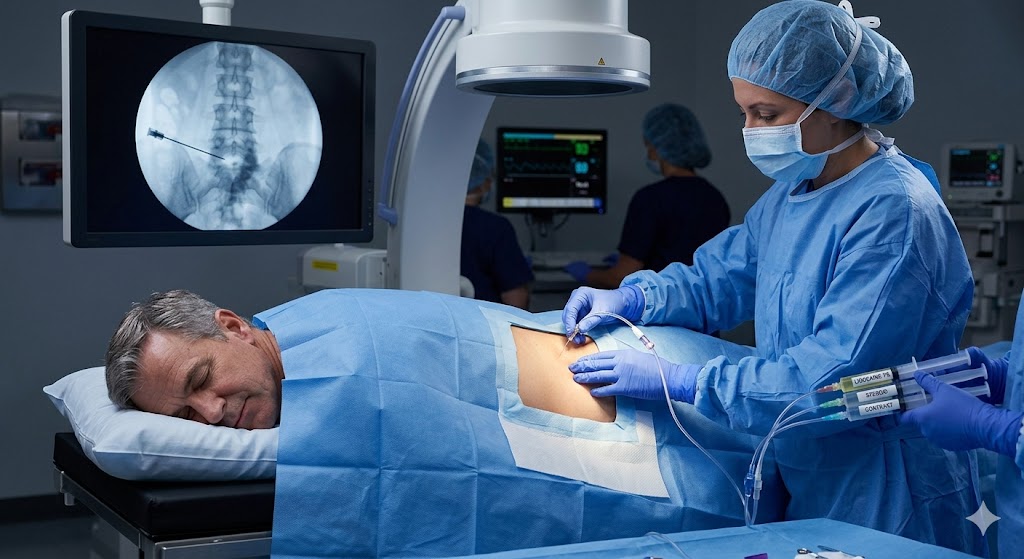
Hypogastric plexus blocks are performed in an outpatient setting using fluoroscopic or CT imaging guidance.
Many patients experience pain relief within 20 minutes of the local anesthetic injection. If a steroid is included, longer-lasting relief may occur.
The injection delivers local anesthetic, and sometimes corticosteroid, near the hypogastric plexus to interrupt pain signals from pelvic organs.
The procedure typically takes 20 to 30 minutes and is performed in an outpatient setting under fluoroscopic or CT guidance.
Some patients experience pain relief within minutes from the anesthetic. Longer-lasting relief may develop over the following days.
When performed under imaging guidance by an experienced specialist, the procedure is generally safe. Temporary soreness at the injection site is the most common side effect.
Hypogastric Plexus Block is available at our Jersey City, NJ office at 100 Town Square Place, Suite 405. Serving patients from Hoboken, Bayonne, Weehawken, and surrounding Hudson County communities. Learn more about pain management in Jersey City.
Reach out to our specialists to schedule an initial consultation. We’ll carefully review your symptoms and match you with the right expert for your specific condition.
CLINIC LOCATION
100 Town Square Place, Suite 405
Jersey City, NJ 07310
DIRECT CONTACT
(908) 665-1938
infor@urbanspinejoint.com