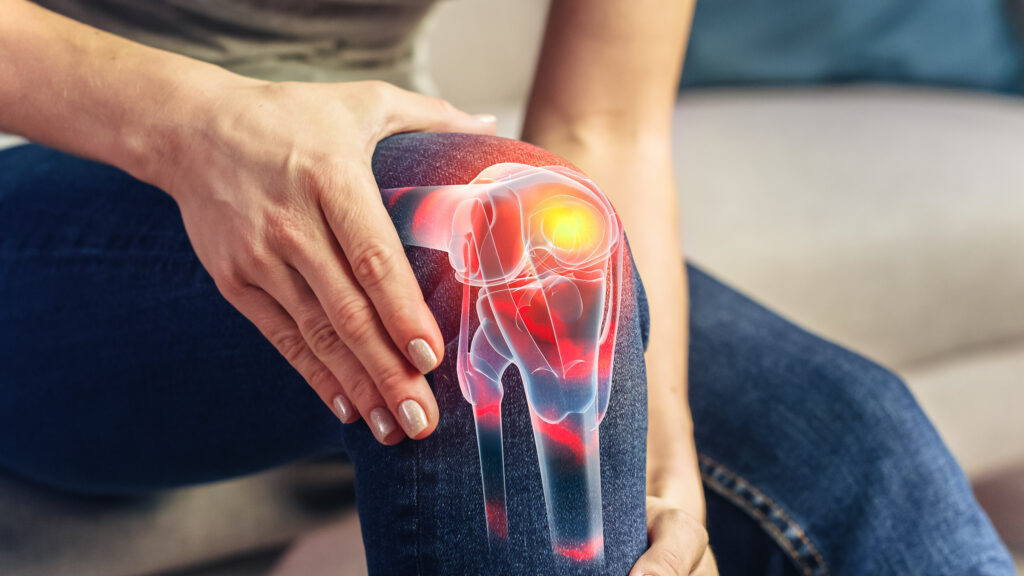
Knee osteoarthritis is one of the most prevalent forms of joint degeneration, affecting millions of people globally. Traditionally viewed as a “wear-and-tear” disease caused by aging, mechanical stress, and cartilage breakdown, osteoarthritis has more recently been linked to biochemical and cellular processes that go beyond joint overuse. Among the most compelling new theories is the role of calcium-containing crystal deposits in driving inflammation and cartilage damage. Understanding this link could change how we diagnose, manage, and possibly even prevent knee osteoarthritis.
A New Perspective on Osteoarthritis
Osteoarthritis (OA) has long been characterized by the gradual deterioration of articular cartilage, leading to joint stiffness, swelling, reduced mobility, and chronic pain. While risk factors like age, obesity, genetics, and previous joint injuries still play major roles, researchers have discovered that calcium crystal deposition in the joint space may be a critical, yet overlooked, contributor to the progression of the disease.
Calcium pyrophosphate dihydrate (CPPD) and basic calcium phosphate (BCP) crystals are the two main types commonly found in osteoarthritic joints. These microscopic crystals are typically deposited in the synovial fluid or cartilage. Once formed, they can provoke an immune response that exacerbates inflammation and tissue degradation within the knee joint.
How Crystal Deposits Contribute to Joint Damage
The presence of calcium crystals in joint tissue doesn’t just correlate with osteoarthritis—it may actually help drive its progression. Here’s how:
- Inflammation Trigger: When calcium crystals accumulate in the joint, they are recognized by immune cells as foreign invaders. This activates the NLRP3 inflammasome, a protein complex that triggers the release of pro-inflammatory cytokines, including interleukin-1β (IL-1β). The result is localized inflammation, joint swelling, and pain, which mimic—and may amplify—the inflammatory profile of knee osteoarthritis.
- Cartilage Breakdown: Research suggests that calcium crystals stimulate matrix metalloproteinases (MMPs) and other enzymes that degrade collagen and proteoglycans in cartilage. This leads to structural weakening of the cartilage and accelerates joint degeneration.
- Bone Remodeling: BCP crystals, in particular, have been linked to abnormal bone formation and remodeling. These crystals can stimulate osteoblast activity, contributing to the formation of osteophytes (bone spurs), a hallmark of advanced osteoarthritis.
- Pain Sensitization: Crystal deposits may also influence the pain pathways in the knee. Inflammatory mediators released in response to crystals can sensitize nerve endings, leading to heightened pain perception even with minimal joint movement.
Diagnostic Challenges
Calcium crystal-related osteoarthritis is often underdiagnosed because its symptoms—joint pain, stiffness, and swelling—overlap with typical OA. Conventional X-rays can reveal joint space narrowing and osteophyte formation, but they don’t always detect small crystal deposits. More specialized imaging techniques like ultrasound or dual-energy CT scans, and synovial fluid analysis, are needed to confirm the presence of crystals.
Moreover, the identification of crystal-related inflammation may be crucial in distinguishing between standard osteoarthritis and other joint conditions like pseudogout, where CPPD crystals are a known culprit.
Targeted Management Strategies
Understanding the role of calcium deposits in knee osteoarthritis opens the door to more targeted treatment options:
- Anti-inflammatory Medications: NSAIDs remain a first-line therapy, but emerging interest in IL-1 inhibitors—drugs that block interleukin-1β—suggests a potential benefit in treating crystal-induced inflammation.
- Chondroprotective Supplements: Nutrients like glucosamine, chondroitin, and vitamin K2 may help support cartilage health and reduce calcium buildup. However, more clinical studies are needed to validate their efficacy specifically in crystal-related OA.
- Dietary Adjustments: A low-inflammatory diet rich in antioxidants, omega-3 fatty acids, and magnesium may help regulate calcium metabolism and reduce joint inflammation. Avoiding processed foods, excessive sugar, and high-sodium meals can further support joint health.
- Probiotics and Gut Health: The gut microbiome influences systemic inflammation and mineral absorption. Taking probiotics and maintaining a diverse gut flora may indirectly reduce the risk of pathological crystal formation.
- Chiropractic and Physical Therapy: While not a cure for crystal deposits, chiropractic care and targeted physical therapy can improve joint mobility, reduce pain, and maintain proper alignment. This can relieve mechanical stress on the knee and slow the degenerative process.
- Hydration and Exercise: Staying well-hydrated and engaging in low-impact exercises like swimming, cycling, or walking supports joint lubrication and muscle strength, which are essential for managing osteoarthritis symptoms.
Conclusion
The role of calcium crystal deposits in knee osteoarthritis adds a significant dimension to our understanding of this common condition. Far from being a purely mechanical disease, osteoarthritis appears to have a strong biochemical and inflammatory component, with crystal-induced inflammation acting as a major contributor to joint damage and pain. By “cracking the calcium code,” clinicians and patients alike can explore new avenues for diagnosis and intervention—ones that go beyond symptom relief and aim to address the root causes of joint degeneration. As research continues to unfold, the future of osteoarthritis management may lie in a more holistic, crystal-clear approach.