
Disclaimer: This article is intended solely for informational and educational purposes only. It does not constitute medical advice.
Chronic pain can come from many different sources, including joints, muscles, nerves, and the spine. When symptoms include numbness, tingling, weakness, burning, or pain that travels into an arm or leg, a physician may need more information about how the nerves and muscles are functioning. Electrodiagnostic testing can help provide that information by evaluating whether chronic pain or other symptoms are related to nerve damage, nerve compression, muscle disease, or another problem affecting the neuromuscular system.
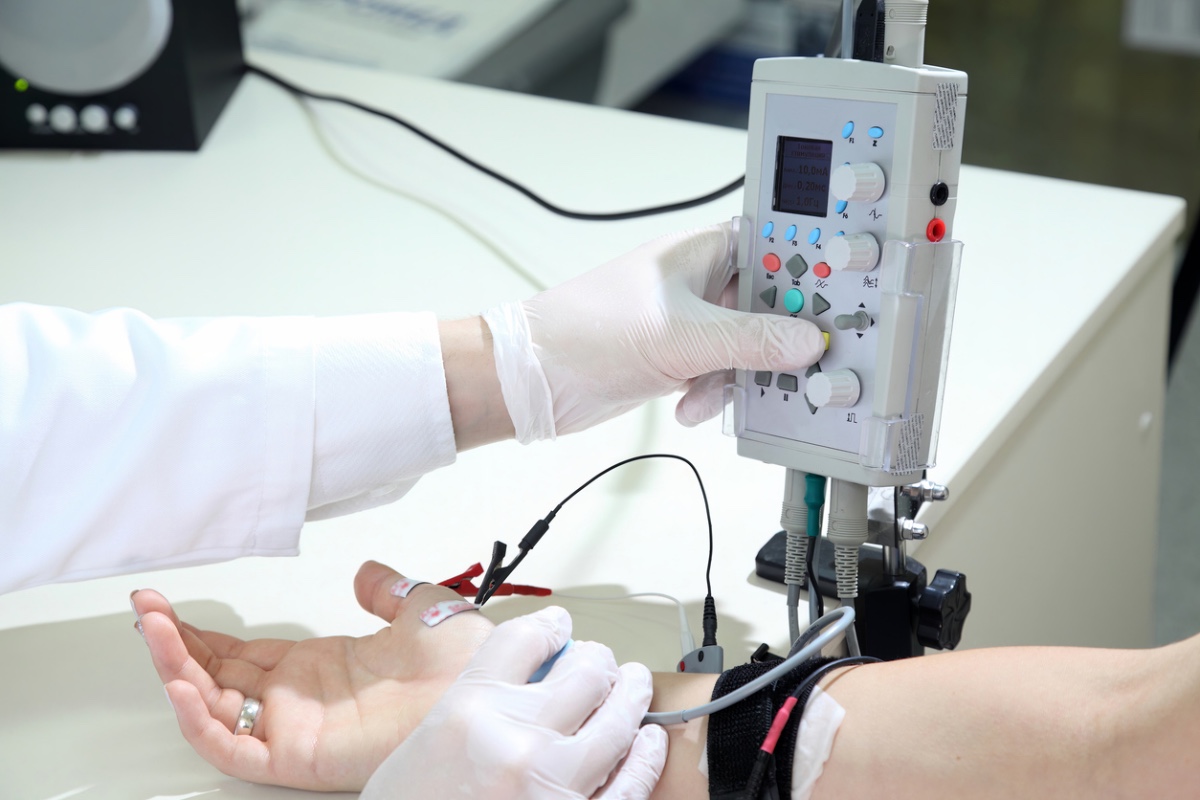
Electrodiagnostic evaluation usually includes two related tests: nerve conduction studies and electromyography, often called EMG. Nerve conduction studies measure how quickly and effectively electrical signals travel through selected nerves. Small electrodes are placed on the skin, and brief electrical impulses are used to stimulate the nerve. The response is then measured at another point along the nerve. Slower or weaker signals may suggest nerve injury or compression.
EMG evaluates the electrical activity of muscles. During this portion of the examination, a physician places a very thin needle electrode into specific muscles. The electrode records electrical activity while the muscle is at rest and during contraction. Abnormal patterns can help identify whether a muscle is being affected by an injured nerve or, less commonly, by a disorder of the muscle itself.
Electrodiagnostics can be particularly useful when chronic pain may involve conditions such as cervical or lumbar radiculopathy. Radiculopathy occurs when a spinal nerve root is irritated or damaged, often in association with problems such as a herniated disc or narrowing around the nerve. Testing may help determine which nerve root is affected and whether there is evidence of ongoing nerve injury.
It can also help evaluate peripheral neuropathy, a condition involving damage to nerves outside the brain and spinal cord. Peripheral neuropathy may cause burning, tingling, numbness, or weakness, particularly in the hands or feet. Nerve conduction studies can help determine whether multiple nerves are affected and may provide clues about the type and severity of the nerve problem. Testing may also be useful for localized nerve entrapments such as carpal tunnel syndrome.
It is important to understand that electrodiagnostics does not measure pain itself. Instead, it evaluates the function of certain nerves and muscles that may be contributing to symptoms. Some painful conditions may produce normal electrodiagnostic results. For example, disorders affecting very small sensory nerve fibers may not be detected by standard nerve conduction testing. Electrodiagnostic studies also cannot replace imaging tests such as MRI when detailed information about discs, joints, or other anatomical structures is needed.
The testing may cause brief discomfort. Electrical stimulation during nerve conduction studies can feel like a quick shock, while the needle portion of an EMG may produce temporary soreness. Most patients are able to return to normal activities shortly afterward.
For people with chronic pain, electrodiagnostics is a valuable component of medical testing. Medical history, physical examination, imaging, and other diagnostic tests may all contribute different pieces of information. When nerve-related symptoms are present, EMG and nerve conduction studies can help clarify where a problem is occurring and how significantly nerve or muscle function has been affected. This information can help physicians develop a more focused treatment plan based on the underlying cause of the symptoms rather than pain alone.