Disclaimer: This article is intended solely for informational and educational purposes only. It does not constitute medical advice.
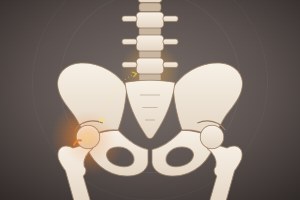
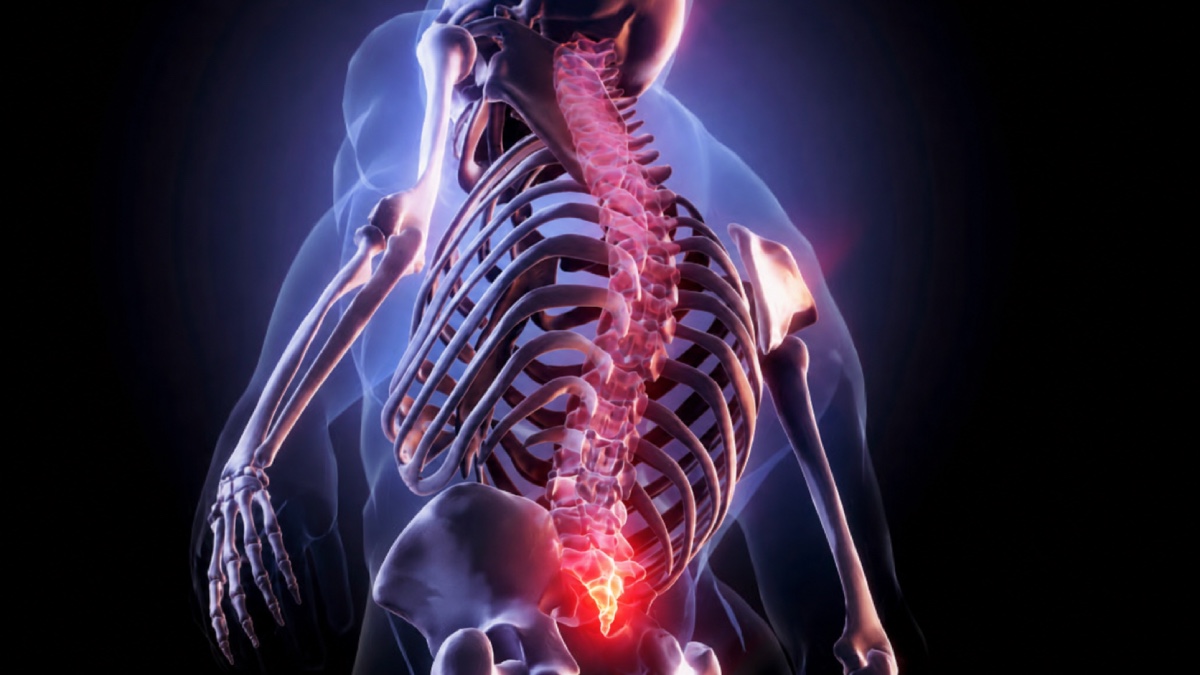
Chronic pain around the tailbone, rectum, anus, or perineal region can be difficult to treat because several nerves and structures may contribute to the symptoms. One procedure sometimes considered for persistent pain in this area is a ganglion impar block. The ganglion impar, also called the ganglion of Walther, is a small collection of sympathetic nerve tissue located near the junction of the sacrum and coccyx at the base of the spine. It serves as a relay point for some of the pain signals traveling from the lower pelvic and perineal regions.
A ganglion impar block is an image-guided injection designed to temporarily interrupt pain signals passing through this nerve center. It is most often discussed for chronic coccydynia, or tailbone pain, that has not improved enough with conservative measures such as activity modification, cushions, medications, or physical therapy. It may also be used in selected cases of chronic perineal or pelvic pain, including pain associated with certain cancers. Because pelvic pain has many possible causes, careful evaluation is important before deciding whether this nerve block is appropriate.
During the procedure, the patient typically lies face down. After the skin is cleaned and numbed, a physician guides a needle toward the region of the ganglion impar through the sacrococcygeal area. Fluoroscopy, a form of real-time X-ray imaging, is frequently used to confirm the needle position. Contrast dye may be injected first to help verify that medication will spread in the intended location. The physician can then inject a local anesthetic, sometimes combined with a corticosteroid. The procedure is usually performed on an outpatient basis.
Some patients notice improvement soon after the injection because of the local anesthetic, while others may experience a more gradual change. The duration of relief varies considerably. A 2026 systematic review and meta-analysis evaluating non-destructive ganglion impar blocks for chronic coccydynia found reductions in pain at short-, intermediate-, and longer-term follow-up. However, the authors rated the overall certainty of the evidence as very low, meaning more high-quality research is needed to determine which patients are most likely to benefit and how long relief can be expected to last.
As with any injection procedure, a ganglion impar block has potential risks. Temporary soreness or increased pain at the injection site and vasovagal reactions can occur. Less common but more serious complications may include bleeding, infection, injury to nearby nerves, unintended injection into a blood vessel, or injury to nearby pelvic structures such as the rectum. Image guidance and careful technique are used to reduce these risks. Patients should also inform their physician about any blood-thinning medications, allergies, active infections, pregnancy, or other medical conditions before the procedure.
A ganglion impar block is not necessarily a permanent cure for chronic pelvic or tailbone pain. In some cases, it can provide enough relief to make sitting, walking, physical therapy, or other daily activities more manageable. It can also help physicians determine whether the ganglion impar is an important contributor to a patient's pain. Whether the procedure makes sense depends on the cause of the symptoms, prior treatments, medical history, and the expected benefits compared with the risks. For people with persistent coccyx or perineal pain, a pain management evaluation can help determine where a ganglion impar block may fit within a broader treatment plan.