Disclaimer: This article is intended solely for informational and educational purposes only. It does not constitute medical advice.
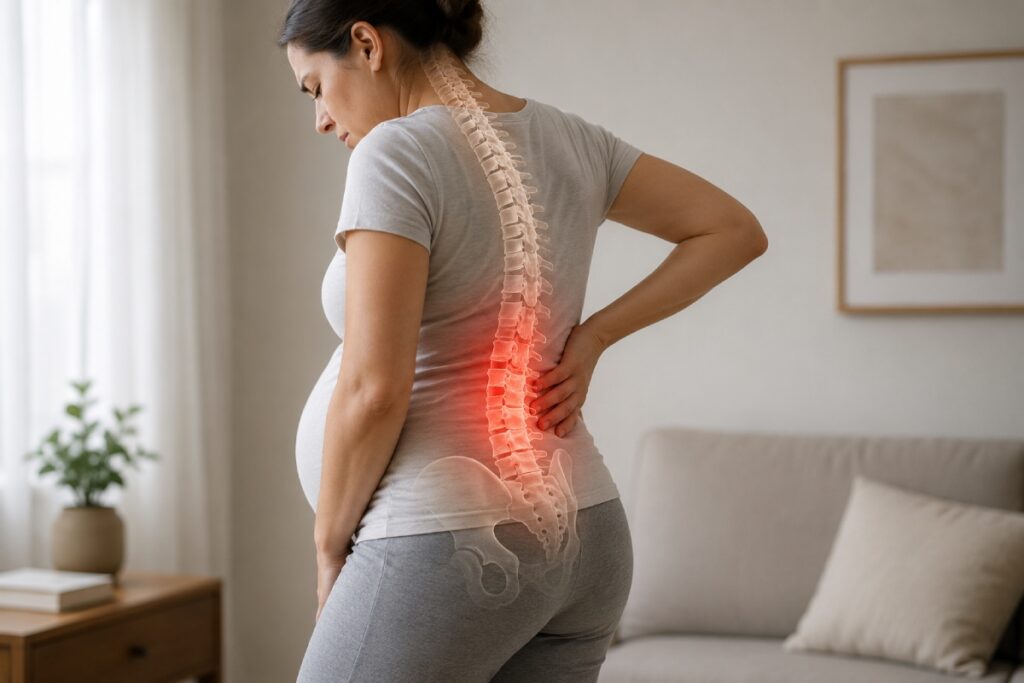
The hormonal fluctuations and physiological changes experienced by women due to the menstrual cycle and pregnancy can complicate the diagnosis of pain and subsequent management. Pelvic and back pain are common during menstruation and can occur normally during pregnancy, but can also reflect serious conditions and should not be dismissed. Pelvic pain may originate from issues with reproductive organs, the urinary or gastrointestinal systems, muscles, joints, nerves, or a combination of these structures. Pregnancy can trigger sciatica, causing back pain and pain that shoots down the leg. When pain persists, limits daily activity, or is accompanied by other concerning symptoms, it is important to seek medical attention, particularly from clinicians with expertise in women’s health and pain.
Pelvic pain may be acute or chronic and can occur in the lower abdomen, groin, hips, butt, pelvic floor, or lower back. Gynecologic conditions such as endometriosis, ovarian cysts, fibroids, pelvic inflammatory disease, and menstrual disorders are possible causes. Bladder or bowel conditions may produce similar symptoms. Pain may also arise from the sacroiliac joints, hip joints, abdominal muscles, pelvic floor muscles, or irritated nerves, which may be linked to the menstrual cycle or pregnancy through the impact of hormones on the musculoskeletal system. More than one pain generator may be present, and persistent pain can sometimes increase the nervous system’s sensitivity to otherwise tolerable movement or pressure.
During pregnancy, pelvic girdle pain can develop around the joints and supporting tissues of the pelvis, including the pubic symphysis at the front and the sacroiliac joints at the back. Symptoms may include aching or sharp pain in the pelvis, hips, groin, butt, or thighs. Walking, climbing stairs, standing on one leg, turning in bed, or getting in and out of a vehicle may aggravate the discomfort. Pregnancy-related hormonal changes can increase ligament flexibility, while a growing abdomen alters posture, shifts the body’s center of gravity, and places additional demands on the muscles supporting the spine and pelvis.
Pregnancy-related sciatica is a different, although sometimes overlapping, problem. Sciatica describes pain associated with irritation or compression of the sciatic nerve or its spinal nerve roots. Pain typically travels from the lower back or butt down the leg and may be accompanied by tingling, numbness, burning, or weakness. On the other hand, not every pain that radiates into the leg during pregnancy is true sciatica. Pelvic girdle dysfunction, sacroiliac joint pain, muscle tension, and referred pain from the lumbar spine can create similar patterns, making an accurate examination valuable.
Treatment of pelvic or back pain in women depends on the source and severity of the symptoms, and clinicians with knowledge in women’s health and pain can offer valuable expertise. For musculoskeletal pain, a rehabilitation program may include activity modification, posture and movement training, gentle strengthening, stretching, and pelvic floor or pregnancy-specific physical therapy. Patients may benefit from changing positions regularly, avoiding movements that repeatedly worsen pain, using supportive sleep positioning, and learning safer techniques for lifting or transferring weight. A pelvic support belt may help selected patients, although it should not replace an individualized exercise and rehabilitation plan. Medication decisions during pregnancy should always be discussed with the patient’s obstetrician.
Pelvic pain accompanied by heavy bleeding, fever, fainting, severe abdominal pain, painful urination, or possible pregnancy complications requires prompt medical assessment. New leg weakness, loss of bladder or bowel control, or numbness around the groin is also an emergency. For persistent but nonemergency symptoms, coordinated care involving obstetrics or gynecology, physical medicine and rehabilitation, pain management, and pelvic health therapy can identify contributing factors and restore function.