Disclaimer: This article is intended solely for informational and educational purposes only. It does not constitute medical advice.
Botox, formally known as botulinum toxin, is widely recognized for its cosmetic use, but it also has an established medical role in the treatment of certain types of chronic headache. In particular, Botox is used to treat chronic migraine in adults who experience frequent headaches. Its use in this context is based on the way it affects nerve signaling and pain pathways rather than on its ability to relax facial muscles for cosmetic purposes.
Chronic migraine is generally defined as having headaches on 15 or more days per month for more than three months, with migraine features present on at least eight of those days. Migraine is a complex neurological condition that may involve throbbing or pulsating head pain, sensitivity to light and sound, nausea, and changes in sensory processing. Although the exact mechanisms that produce migraine are still being studied, the condition is associated with abnormal activation of pain-sensitive nerves and the release of chemical messengers that contribute to inflammation and pain transmission.
Botox works by blocking the release of certain neurotransmitters from nerve endings. One of its best-known effects is the temporary inhibition of acetylcholine, a chemical involved in muscle contraction. This is what leads to the muscle relaxation that cosmetic use of Botox targets. However, its benefit in chronic migraine appears to extend beyond muscle relaxation. Botox may also reduce the release of chemicals involved in pain signaling, including substances that contribute to the sensitization of nerves around the head and neck. By interrupting these signals, treatment may make the nervous system less responsive to the triggers that would otherwise contribute to a migraine attack.
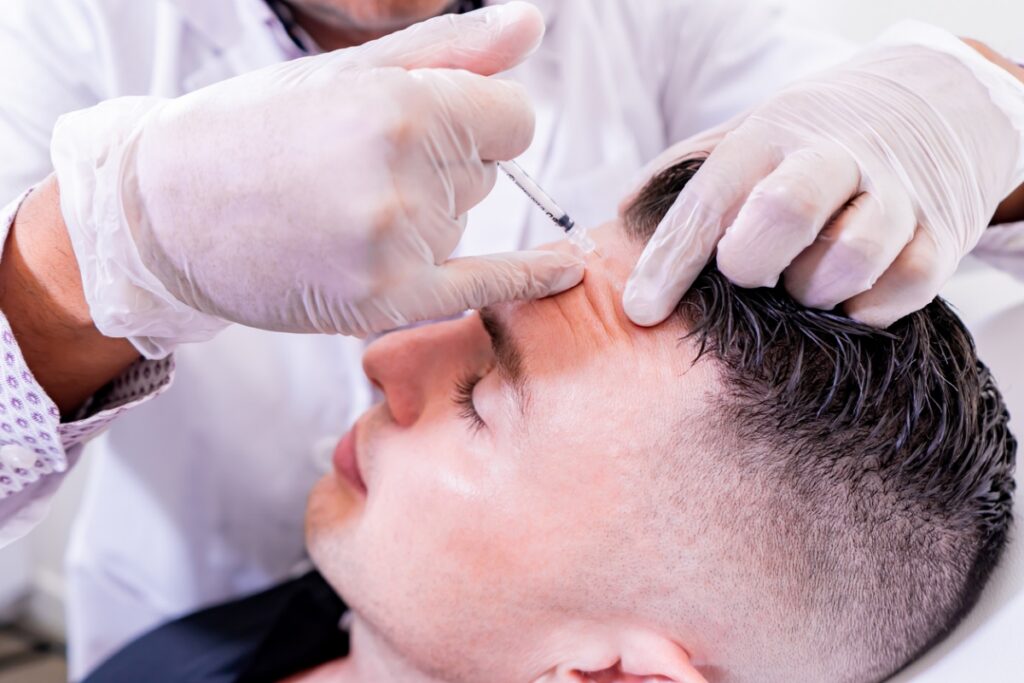
During treatment for chronic migraine, Botox is injected into multiple specific locations across the forehead, temples, back of the head, upper neck, and shoulder region. The injections are performed using a fine needle and typically involve relatively small amounts of medication at each site. Treatment is generally repeated at intervals of approximately 12 weeks when clinically appropriate. While Botox is used to treat headaches, it is considered a preventive therapy. It is intended to reduce the frequency and severity of future headaches rather than provide immediate relief during an active migraine attack.
The response to Botox varies from person to person. Some patients notice a reduction in headache frequency after the first treatment cycle, while others may require more than one cycle before the full benefit can be evaluated. Successful treatment may result in fewer headache days, reduced migraine intensity, and less reliance on acute headache medications. Botox does not cure migraine, and it is not generally used for occasional tension headaches or infrequent migraines.
As with any medical procedure, Botox treatment can cause side effects. These may include temporary pain or bruising at the injection sites, neck discomfort, muscle weakness, or headache shortly after treatment. Less commonly, the medication can affect nearby muscles and cause problems such as temporary eyelid drooping. Serious complications are uncommon when injections are performed by an appropriately trained healthcare professional.
For adults with frequent and disabling migraine headaches, Botox may be one component of a broader plan to treat and manage symptoms. Proper diagnosis is important because headaches can arise from many different causes, including migraine, neck-related disorders, medication overuse, and other neurological or musculoskeletal conditions. A medical evaluation can help determine the underlying headache pattern and whether Botox or another treatment approach is appropriate.